

Context
Describe the user, environment, and device conditions so results are not taken out of context.
Product teams can use EmoraOS to work with permitted signals, keep relevant interaction memory, and design how a product responds.
First define the user problem. Then decide which signals are allowed, which results need human review, and what happens when the system is unsure.
Describe the user, environment, and device conditions so results are not taken out of context.
Let product rules check the result before the product prompts, responds, or stays quiet.
Agree on consent, privacy, failure handling, and human intervention at the design stage.
Six Solution Concepts explain the product problem, what EmoraOS could do, and what it must not do. They are not customer cases or proof of results.
Industry Solutions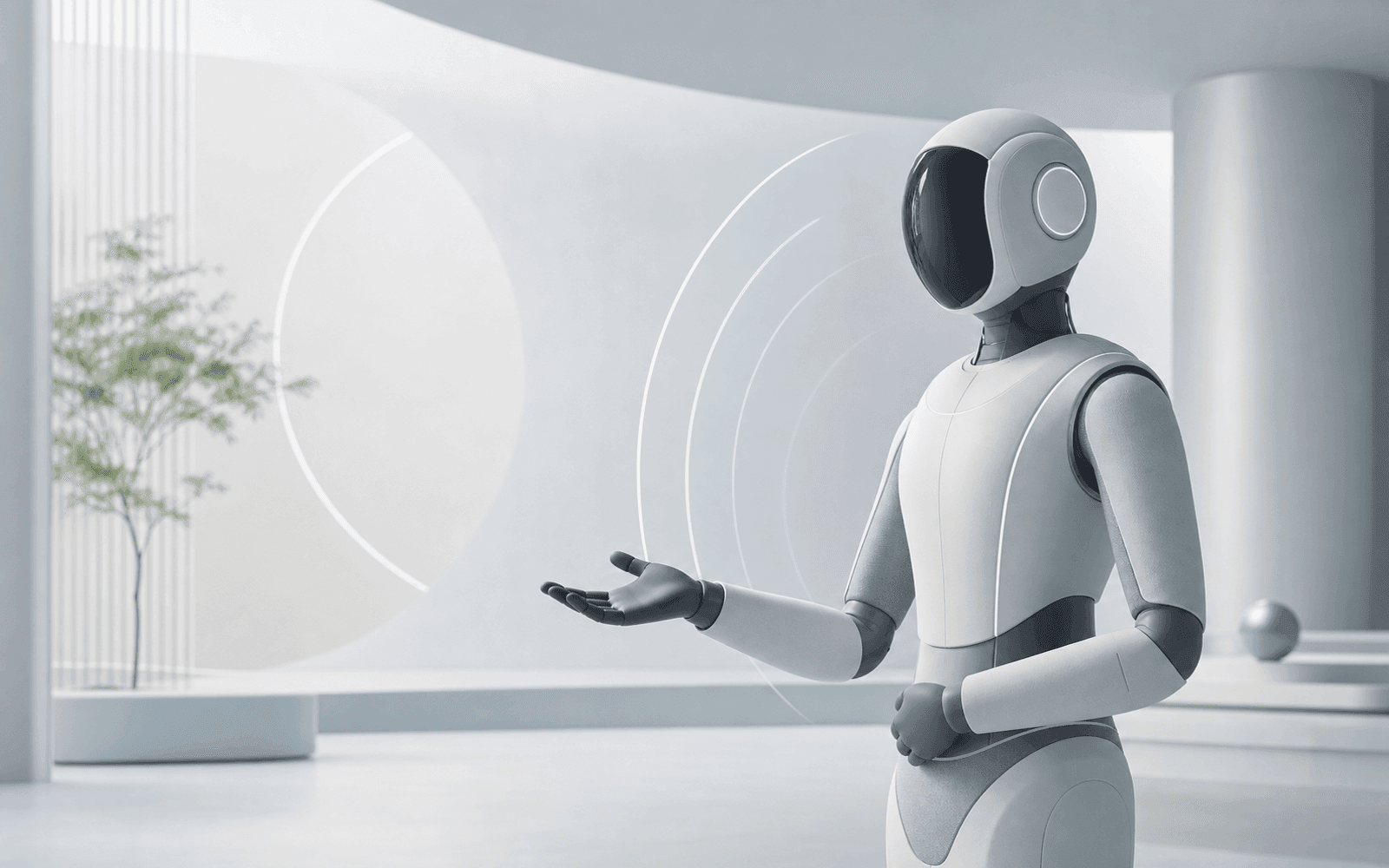
Problem
Light, sound, and user state keep changing, but a robot still needs to respond consistently and explainably.
EmoraOS role
EmoraOS reads permitted visual, audio, and device signals, combines them with role memory, and sends a suggestion to the robot’s own control rules.
Problem
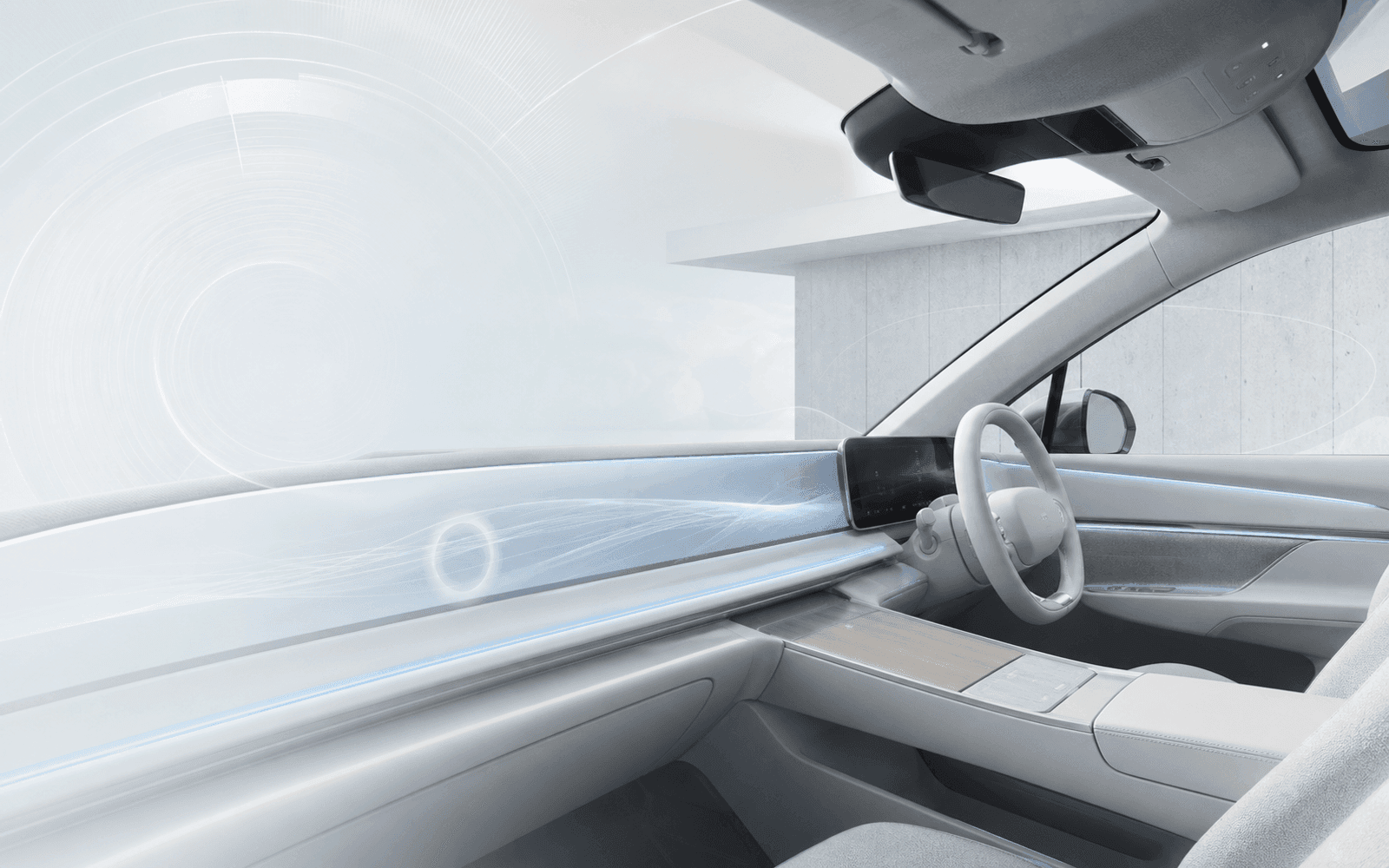
Cabin interaction must handle limited state cues carefully across noise, lighting, occupant differences and the driving task.
EmoraOS role
EmoraOS analyzes permitted cabin signals and sends uncertain results to the vehicle interface for non-critical prompts.
Problem
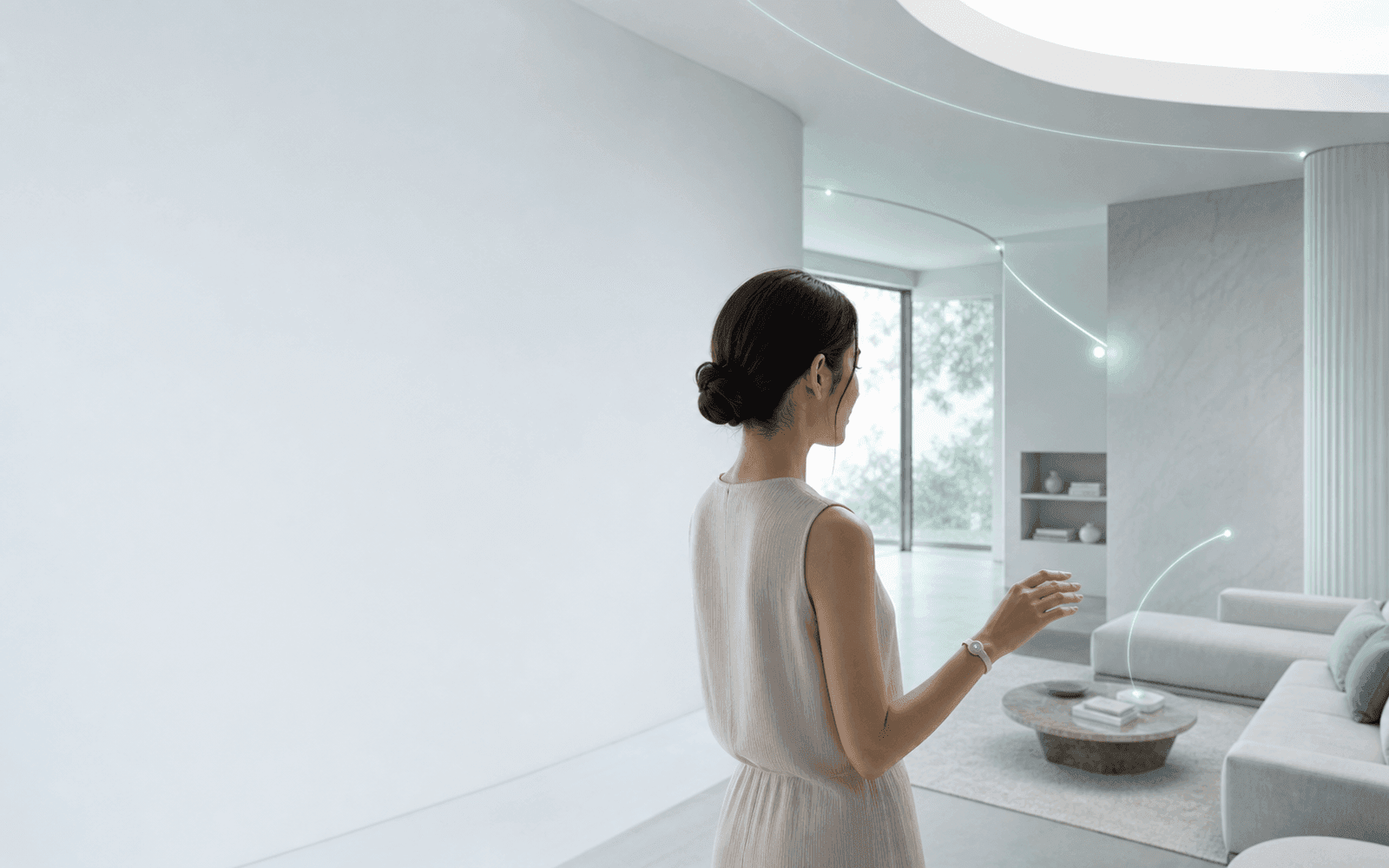
Personal devices need visible user control when continuous use, shared spaces and sensitive signals meet.
EmoraOS role
EmoraOS uses only signals permitted by the user, then sends results to prompt, lighting, or ambient-control rules.

Problem
Education contexts need ways to reflect on learning pace and participation without turning limited signals into diagnoses or conclusions about a learner.
EmoraOS role
EmoraOS organizes permitted interaction signals, suggests participation cues, and leaves learners or educators to judge whether they are useful.

Problem
Personal reflection tools need a clear position between sensitive state cues, user expectations and professional-care boundaries.
EmoraOS role
EmoraOS organizes records people choose to provide and creates review or companion prompts they can edit or turn off.
Problem
Experience research needs to connect qualitative observations and interaction cues while preserving the boundaries of the sample, method and researcher interpretation.
EmoraOS role
Within the research scope, EmoraOS organizes interviews, feedback, and interaction moments, then flags common points for researchers to inspect.
EmoraOS processes only the agreed inputs and hands results to the product’s own rules and interface.
Confirm what may be collected, under which conditions, and how long it is kept.
Analyze the signals in context and show the evidence and uncertainty.
Pass the result to product rules or human review, and fall back safely when it is unclear.
Anything labelled Solution Concept is an idea for discussion, not a customer deployment, released product, or proven outcome.
See the public cases and prototypes, with a clear note on how far each has progressed.
Customer Stories includes only named cases approved for public use. Lumi Cat is currently the sole story.
We first agree on the problem and limits, then build a small prototype.
Agree on the user problem, permitted data, main risks, and how success will be judged.
Use a small prototype to check interfaces, interaction logic, and failure handling.
Test with an agreed method, record the scope, and only then decide what can be stated publicly.
Agree on interfaces, permissions, human review, and failure handling before integration starts.
Tell Finnox about your product, the signals you can use, and which decisions must stay with people.